
July 9, 2026
DFW Turnkey SFR Roof Age HVAC Lifespan and Replacement Reserve Planning for Remote Investors 2026
A practical, no-hype guide to dfw turnkey sfr roof hvac replacement reserve remote investors: the direct answer, what actually matters, the common mistakes
DFW turnkey SFR listings may include documented roof and HVAC ages alongside a monthly replacement-reserve assumption. A reserve is a planning tool, not a promise that a future roof or HVAC project will be fully funded or leave distributions unchanged.
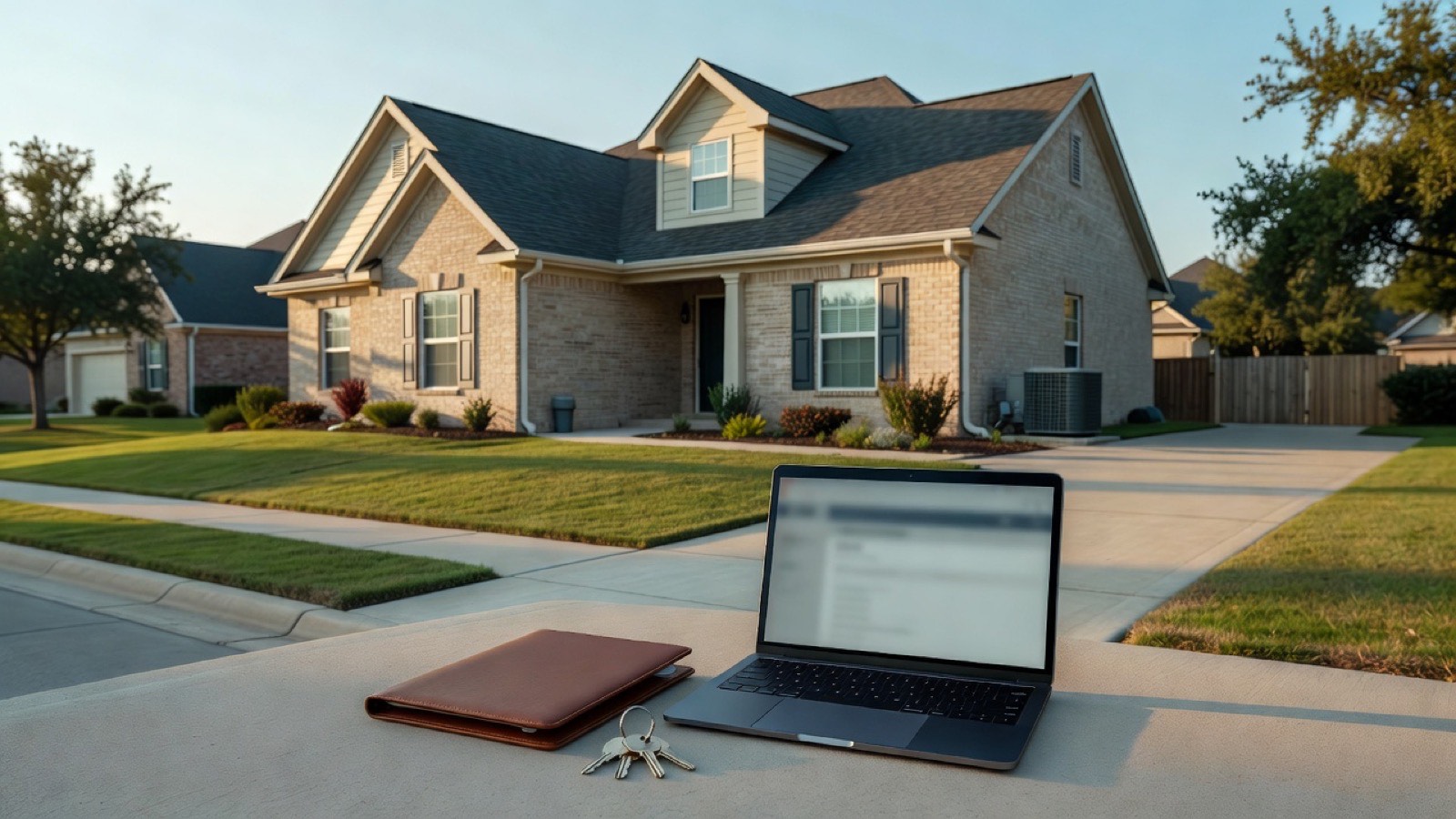
Remote buyers in the DFW market face different capital planning realities than local owners. Heat, hail, and rapid temperature swings shorten component life, while distance removes any ability to inspect or coordinate repairs in person. Liquid SFR packages address this by delivering tenanted homes with documented roof and HVAC ages plus a dedicated reserve account that the property manager draws from when replacements occur.
What roof age range should remote investors target in DFW turnkey SFRs?
Most institutional-grade DFW turnkey operators acquire homes with roofs between 4 and 10 years old. Asphalt shingles in North Texas typically reach 15–18 years before replacement becomes likely, but hail events or poor attic ventilation can push that timeline forward by several years. Investors who buy properties outside this window often face a replacement within the first 36 months of ownership.
Original installation dates and prior repair invoices can inform a reserve assumption. Properties with older roofs may have different reserve needs, while actual cash flow can still change when a roof reaches end of life.
How long do HVAC units typically last in Dallas-Fort Worth homes?
Central air systems in DFW average 10–14 years of reliable service when properly maintained. The combination of 100-plus-degree summers and high humidity accelerates compressor wear, while winter heating cycles add stress to the heat exchanger. Units installed before 2015 often use R-22 refrigerant, which raises future replacement costs because the older refrigerant is phased out.
Remote investors should look for documentation showing the exact manufacture date and the last two service records. A 9-year-old unit with clean coils and recent capacitor replacement still has meaningful runway; a 13-year-old unit with multiple service calls in the prior 18 months signals an imminent expense. Liquid SFR underwriting flags any system older than 11 years for accelerated reserve contributions.
How do you calculate replacement reserves for roof and HVAC on a per-property basis?
A straightforward method starts with current local replacement costs: $9,500–$12,500 for a typical 1,800–2,200 sq ft roof and $7,800–$9,200 for a 4-ton HVAC system including labor. Divide each figure by the expected remaining years of life, then add 10–15 percent for inflation and permitting. The result becomes the monthly reserve line item.
For a roof with 9 years left and a $11,000 replacement cost, the calculation is ($11,000 ÷ 9) × 1.12 = $1,364 per year or $114 per month. Adding the HVAC component at $8,500 over 8 remaining years produces another $98 monthly. Combined with a small contingency, the total reserve often lands between $175 and $225 per property. This amount is collected alongside rent and held separately from operating cash flow.
How should dfw turnkey sfr roof hvac replacement reserve remote investors structure their planning?
Reserve treatment, approval rights, and any owner contribution are set by the management agreement and the facts of a specific repair. A property manager may coordinate contractors and draw from an available reserve, but a buyer should not assume that a capital contribution or owner decision will never be needed.
Foreign buyers can confirm whether a reserve is held in a segregated account and how it is reported. Segregation can help distinguish reserve funds from rent, but reporting availability and detail depend on the account and management agreement.
What maintenance schedule can help identify roof and HVAC issues in North Texas climate?
Twice-yearly HVAC tune-ups—one before cooling season and one before heating—extend system life by 2–4 years on average. Roof inspections after every major hail event or windstorm catch granule loss and flashing issues before leaks develop. Attic ventilation checks twice a year keep moisture from degrading shingles from underneath.
A documented maintenance log is part of every Liquid SFR property file. Investors can review the last three service dates and any noted deficiencies at any time through the account dashboard. Consistent adherence to this schedule is what allows the reserve model to remain predictable rather than reactive.
How does a turnkey operator manage replacement timing without investor involvement?
The property manager may monitor component age against a reserve schedule and coordinate a project when inspection findings support it. Whether a reserve covers a repair, what notice is provided, and whether additional funds are needed depend on the reserve balance, the management agreement, and the project scope.
This removes the coordination burden that usually falls on out-of-state owners. The manager selects licensed local contractors, schedules around the tenant, and handles permitting. The investor sees only the financial result in the next monthly statement.
What happens to cash flow when a roof or HVAC replacement occurs on a managed rental?
An available reserve may reduce the amount drawn from current rent receipts, but a replacement can still affect distributions, reserve contributions, timing, and owner decisions. The management agreement should identify how those items are handled.
For example, a $10,800 roof project on a property with a $198 monthly reserve reduces the reserve balance by that amount. The effect on distributions and the time needed to rebuild the balance depend on the lease, expenses, project timing, and available cash.
How can foreign investors verify reserve adequacy before purchasing a DFW SFR?
Review the property’s specific reserve calculation worksheet during underwriting. It should show remaining life for both roof and HVAC, current local replacement cost estimates, the monthly contribution, and the existing reserve balance on the closing date. Any property with less than 12 months of reserve already funded requires an immediate catch-up contribution at acquisition.
Liquid SFR makes these worksheets available inside the free investor account alongside full inspection reports and comparable replacement cost data for the ZIP code. This level of transparency lets remote buyers model the reserve trajectory themselves before committing capital.
Frequently asked questions
How often do DFW roofs actually need replacement?
Most asphalt shingle roofs in the Dallas-Fort Worth area last 15–18 years. Hail, poor ventilation, or manufacturing defects can shorten that period. Liquid SFR targets homes with roofs under 10 years old at acquisition to keep the replacement event comfortably beyond the typical 5-year hold period many remote investors use.
Can I use my own contractor for HVAC replacement?
The turnkey structure uses the property manager’s vetted contractor network to maintain consistent quality and pricing. Allowing outside contractors introduces coordination and liability issues that the reserve model is specifically designed to avoid. Investors receive full documentation of the work performed regardless of which licensed crew completes it.
What happens if replacement costs rise faster than inflation assumptions?
The reserve calculation includes a 10–15 percent buffer above current pricing. If costs increase materially, the monthly contribution is adjusted at the next annual review rather than creating a shortfall. Most properties see only one adjustment over a 7–10 year ownership window.
Do reserves earn interest or stay in a non-interest account?
Reserves are held in a dedicated FDIC-insured account that generates modest interest. The interest stays inside the reserve balance and reduces the effective monthly contribution needed over time. Quarterly statements show both the principal contributions and any interest earned.
How quickly can a remote investor see the current reserve balance?
Portal reporting cadence and the information available to an owner are set by the applicable management agreement. Confirm how contributions, draws, and reserve balances are reported before purchase.
Create a free account at https://liquidsfr.com/investment-properties?utm_source=x&utm_medium=post&utm_campaign=buyerlist to review current DFW turnkey SFR listings with full roof age, HVAC details, and replacement reserve schedules.
Educational content only. Not legal, tax, or investment advice.